Table Of Content

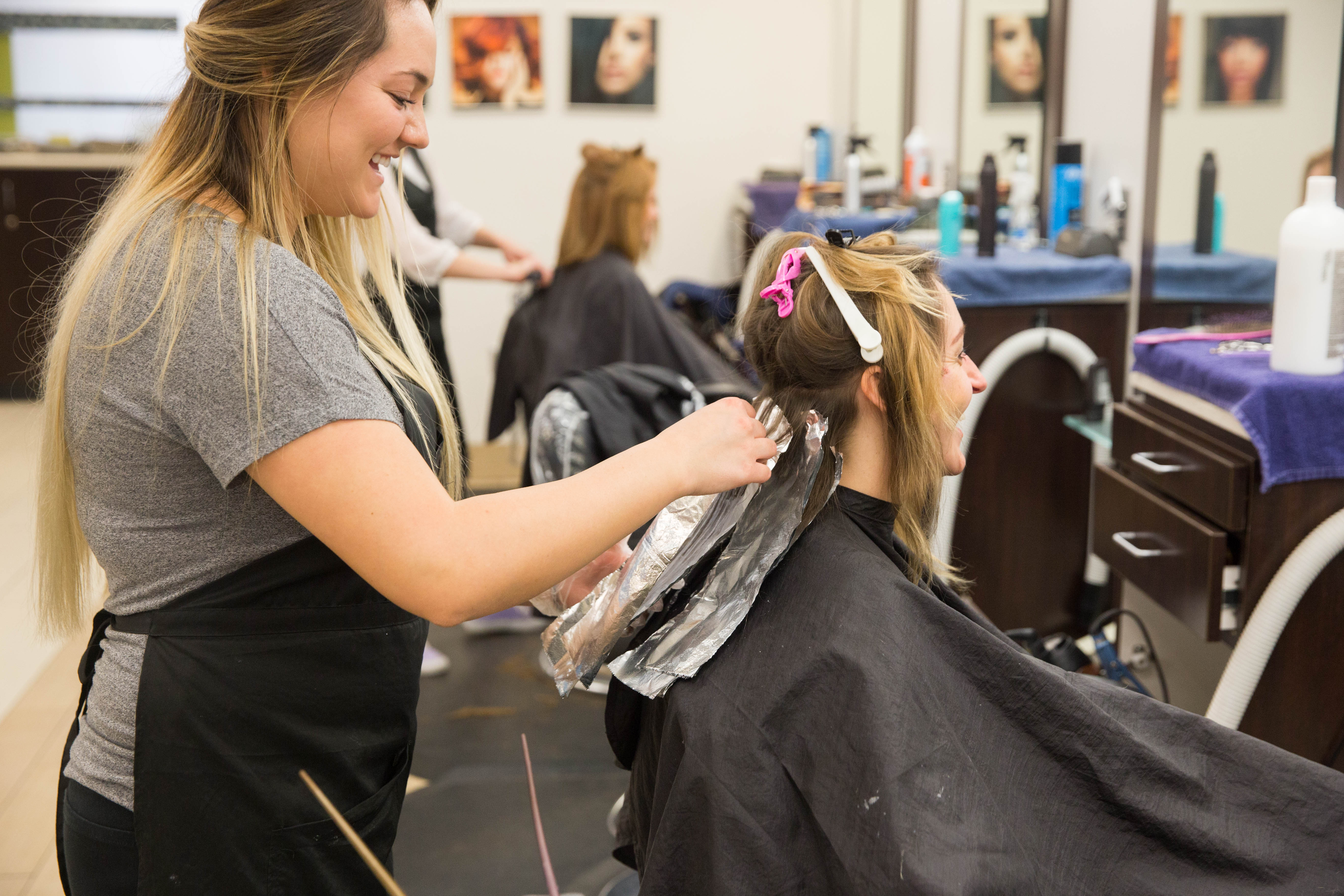
To prevent fragile, brittle strands, it’s highly recommended to have a professional perform this treatment. It’s also helpful to maintain a dedicated hair care routine post-treatment that will keep your hair moisturized and protected. In a previous PureWow story, DaRico Jackson, a celebrity hairstylist advises those with bleached hair to use a nourishing purple shampoo and a hair mask to help neutralize brassiness and reduce breakage. Sure, the woman smiling on the front of the box looks beautiful, but the color of her hair is a fantasy.
Focus Your Cleaning Routine on the Roots
If you’re concerned about your hair’s health, talk with a stylist about dyes with conditioners or other methods to keep your hair looking and feeling healthy. We’ve all heard hair dye horror stories of breakage, dryness, and all-around signs of damage. Before you hit the salon, it’s essential to identify your hair type and the most complimentary color technique to go with it.
Temporary Hair Dye
The coupler compounds (couplers) are meta-substituted derivatives of aniline. They come in three major classes based on the color that they produce when they react with the primary intermediate. Depending on your hair's porosity, both experts say that henna dye lasts anywhere between four to six weeks.
How to Minimize Hair Damage After Coloring
Balayage is also very low-maintenance, making this technique perfect for busy gals. The natural transition from shade to shade makes roots less noticeable when hair grows out. Sign up to our newsletter and get exclusive hair care tips and tricks from the experts at All Things Hair. Semi-permanent dye typically lasts a few weeks—around four to eight at the absolute maximum, gradually fading with each wash.
Best Men’s Shaving Creams for Sensitive Skin in 2024
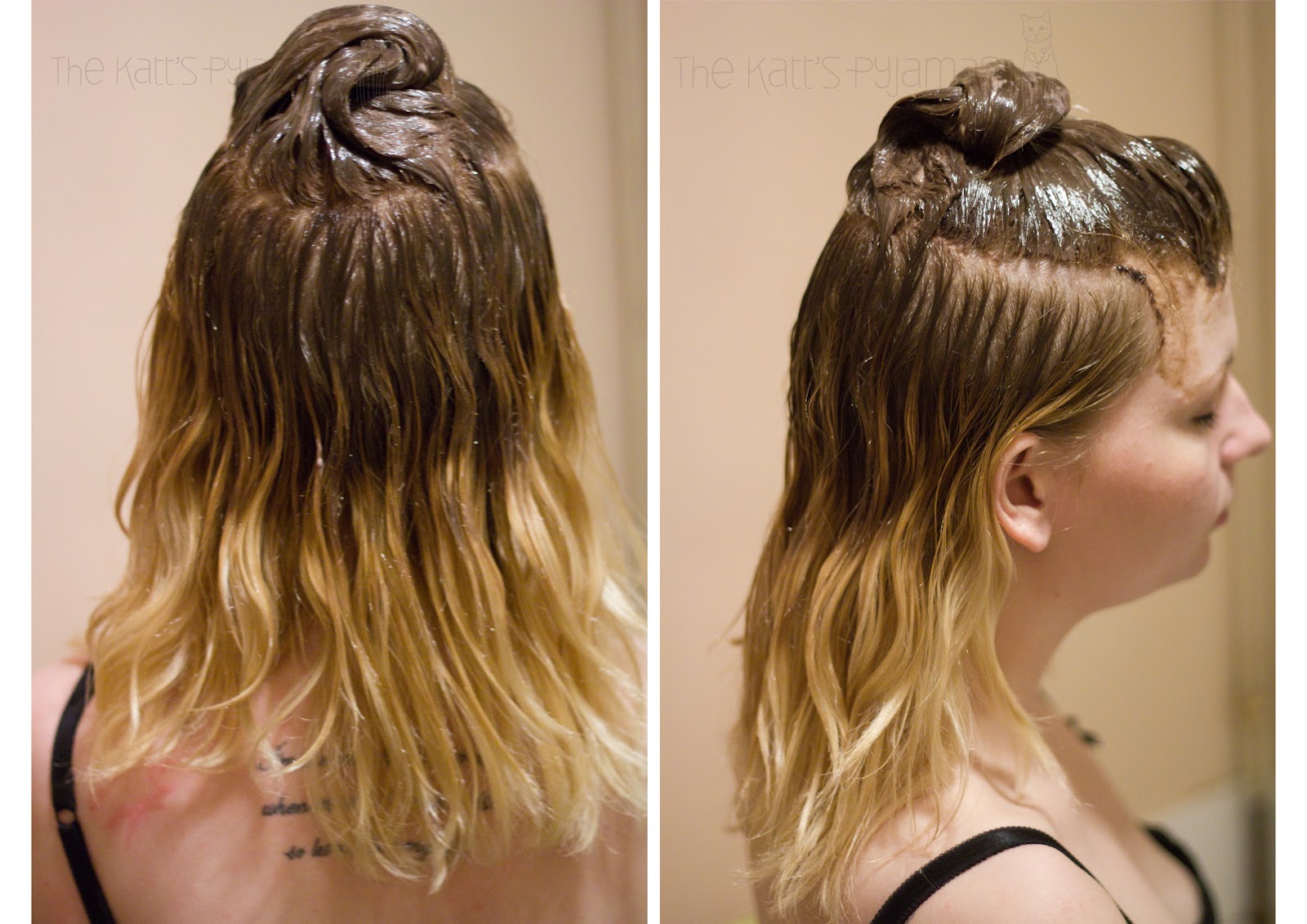
Have a spare pair of disposable gloves on hand to protect your skin from staining when you rinse the color off, in case your original ones are too soiled to use again. Make sure you're comfortable (a pair of these luxe PJs should do the job), have everything you need (we've got you there below), and aren't pressed for time. Now, get into the best insider at-home hair-color tricks and tips for achieving salon-worthy results. Sabina (she/her) is the director of the Beauty, Health & Sustainability Lab at the Good Housekeeping Institute, where she has overseen skincare, haircare and makeup testing since 2012. She also reviews applications, substantiates claims and evaluates products for the GH Seal and the Beauty Awards and Sustainability Awards programs.
This is why you should dye your hair for the new season - Cosmopolitan UK
This is why you should dye your hair for the new season.
Posted: Fri, 27 Oct 2023 07:00:00 GMT [source]
Every permanent formula has to include some alkaline ingredient (usually ethanolamine) that’ll force the hair cuticle to swell. Finally, if your hair has already been dyed, you could probably do a color-refresh quite easily at home. However, if you want to change the color of your dyed hair, it might be difficult and largely depends on the kind of dye you used previously.
As the result, they cannot color hair to a lighter shade than it was before dyeing and are less damaging to hair than their permanent counterpart. Permanent hair color generally contains ammonia and must be mixed with a developer or oxidizing agent in order to permanently change hair color. Ammonia is used in permanent hair color to open the cuticle layer so that the developer and colorants together can penetrate into the cortex.[13] The developer, or oxidizing agent, comes in various volumes. The higher the developer volume, the higher the "lift" will be of a person's natural hair pigment. Someone with dark hair wishing to achieve two or three shades lighter may need a higher developer whereas someone with lighter hair wishing to achieve darker hair will not need one as high. Timing may vary with permanent hair coloring but is typically 30 minutes or 45 minutes for those wishing to achieve maximum color change.
Avoid water to make your dye last.
According to the Food and Drug Administration and the Cosmetic Ingredient Review, sulfates are considered to be safe in small quantities and there is no need to avoid them unless you have very sensitive skin. In that case, sulfates can cause irritation as they strip the hair and scalp of natural oils and moisture. All shampoos contain a cleansing agent necessary to remove dirt and buildup from hair. There is no published scientific evidence to prove that sulfates cause color to fade faster than other detergents used in sulfate-free shampoos. The only thing balayage can’t do is cover grays — unless you want to blend them into your look.
Permanent synthetic dyes
Beyoncé Gives Rare Behind-the-Scenes Look at Her Natural Hair Routine: '25 Years of Blonde' - Yahoo News Canada
Beyoncé Gives Rare Behind-the-Scenes Look at Her Natural Hair Routine: '25 Years of Blonde'.
Posted: Thu, 25 Apr 2024 20:46:07 GMT [source]
If you’re a hair color novice, it may sound intimidating at first, but with the right at-home hair coloring kit, dyeing your hair at home can be convenient, affordable and most importantly — successful. Ahead, you’ll find eight different hair dyes with a few pointers from our panel of hair colorists. Plus, we included a few brands you should have on your radar when you’re ready to color your mane. The GH Beauty Lab has found that using a color-depositing shampoo, conditioner, or hair-gloss treatment once a week between dye jobs can revitalize hair color. Try Beauty Lab test winner John Frieda Colour Refreshing Gloss, which comes in seven shades and deposits a low level of pigment, from blonde to red, brown, and black. It topped the Lab’s test for enhancing and extending the life of testers’ color and leaving healthy-looking shine.
We also recommend using Innersense's Hydrating Hair Mask ($30) at least once a week to give your ends some extra love. When it comes to at-home color, McLean recommends keeping things simple, “At-home color can be great for touching up your professional color in between appointments,” he says. The main reason for this is that box hair dye can be a little unpredictable.
The non-drip creme (which helps protect hair as it colors) comes in a variety of shades so that you can easily find your best match. Well, you don’t actually have to spend any time outside to get them! Consider babylights, which are super-skinny highlights that are generally one shade lighter than your natural color. But what's happening on a chemical level that allows hair dye to provide such speedy — and dramatic — results? We at Allure's The Science of Beauty podcast thought it was high time to investigate.
Instead, three minutes before you're supposed to rinse, add two squirts of shampoo into the dye left in the bottle. "It dilutes the dye but still gives you a pinch of color and shine," says Louis Licari of the Louis Licari Salon in New York City. Runoff from rinsing out your roots can stain the rest of your hair, so she suggests creating a coconut oil barrier to keep dye from dripping down through the rest of your hair.
"Removing permanent hair color can not only be very difficult but [can also] result in stress and potential damage on your hair," warns Rae. Semi-permanent dye is a great option for those who want to experiment with different hues without committing to a long-lasting change. According to Gibson, most semi-permanent hair colors are used for "fantasy tones and shades," like bold pinks and bright blues. According to Lee, the two areas that should be dyed last are the front hairline (“baby hairs could end up too dark if you start with them first”) followed by your ends.



No comments:
Post a Comment